Since writing is a huge focus in the ELA classroom, I’ve been researching the top 4 AI writing tools for students. Many teachers fear that students will use ChatGPT, change a couple phrases, and never really learn how to write a strong response. This is why I’ve been in search of the best option for my classes.
Top AI Writing Tools
1. Groovelit–
This educational writing platform offers lots of prompts for teachers and/or students to choose from such as narrative, argumentative, and text-based responses. Teachers can also create their own. Once teachers choose the genre and topic, the AI will create the standards-based criteria that students will receive points for implementing. Rather than receiving a grade for their work, students receive points based on the elements required. Next, students are given a code, the writing prompt, and an approximate timer of 5 minutes to write. As students include the required criteria, they receive points.
We recently had issues with spreading rumors at school, so I found a great premade prompt called, “The Rumor Mill.” This not only taught my students how to be better writers, but it also taught them a life lesson. Perfect timing for my students too. You can access this prompt >>>>HERE<<<<!
Groovelit turns writing into a fun, competitive activity similar to Kahoot or Blooket—but focused on writing. Students respond to prompts under a time limit, earn points for fulfilling specific writing elements, and can see their progress in real time. This gamified format encourages more frequent and focused writing practice, which is extremely important for improving fluency. My students beg to “play” Groovelit, and this is exactly what I want!
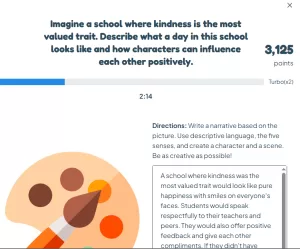
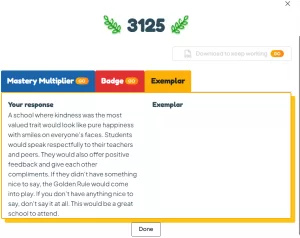
What really sealed the deal for me with Groovelit, is when they created State Test Prep Collections– vocab and writing games… “to target the exact skills measured by your state assessments for grades 4–10.” This meant students were getting exposed to the prompts and terms from their end of year assessment which would make this much less intimidating when they actually took the test. Of course, we don’t know the exact prompts, but they were able to practice with topics that the standards suggested they would likely see. To get an idea how this is set up, take a look a the short video below:
2. WeWillWrite –
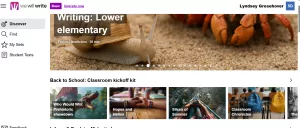
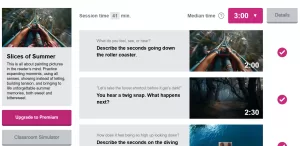
This is a gamified writing platform where students write in short periods of time, anywhere from approximately 3 to 5 minutes. You can choose a task set from WeWillWrite or create your own. Students login with a pin code and will enter their names. Their names are anonymous for the rest of the class, but the teacher will be able to see who wrote from his or her end. Students are then randomly put into teams like giraffes or bulls. They can usually figure out who’s on their team pretty quickly by looking around the room. Then the teacher will present the first task. There are a total of 4, but the teacher can choose to do 1 task or all of them. Before starting, the teacher will explain the task.
Once students have completed the task, the AI will choose 2 from each team to move forward. Then students will read the 2 chosen from their group and vote on the best option based on the criteria. The text that gets the most votes from each team will represent the team in the final “round.” Lastly, students will vote on a winner based on the responses in the final round. Once there is a winner, the teacher can go over what this student did well in order to win, pointing out literary devices and grammatical tactics used. Wewillwrite is a great writing tool for short pieces of writing because it makes students be quick on their toes. However, this wouldn’t help students with full blown essays. It lacks the necessary feedback that would help students progress.
3. QuillBot –
This AI-powered writing website and Chrome extension helps users expedite their work to an extent. It offers a range of helpful features, including a Paraphraser, Summarizer, Grammar Checker, Citation Generator, Translator, and co-writer—supporting various steps of the writing process… if you pay for the premium version. Otherwise, what you get is very limited. You can see the different tiers here.
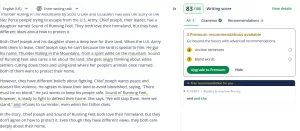
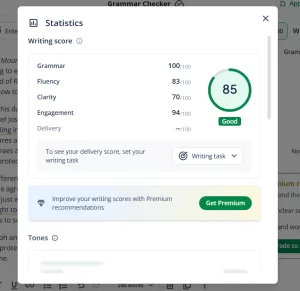
With a premium subscription, users also gain access to a Plagiarism Checker that can scan up to 20 pages per month for potential plagiarism. The Summarizer allows you to choose from short, medium, or long summaries based on the text you enter, making it easy to condense information as needed. Quillbot is not a tool that will provide the type of feedback students need to actually improve their writing. If you’re looking for a way to paraphrase a sentence or two, then this writing AI can do just that. I used a sample text to try it out, and this is the feedback I received using the free version.
For more ways to use AI in the ELA classroom, check out THIS blog post.
Which AI writing platforms have you used in your classroom? What worked best for your students and saved you time as well? I’d love to hear about it in the comments, or reply to this email and let me know!
**This post may contain sponsored and/or affiliate links. While this post is sponsored, all opinions and recommendations are our own.
